
South Fulton Address History Sources
No single roll names everyone who occupied a South Fulton address. The best source depends on the era. Deeds establish who held title. Directories and census schedules move closer to actual occupancy, while permit files date structural changes. Start with the newest dependable record and work backward. Never skip a link in that chain.
| Source | Years It Covers | Where Held | What It Shows |
|---|---|---|---|
| Fulton deed index and books | County formation forward; web cutoff unstated | Clerk, GSCCCA, Record Room | Legal ownership chain |
| Haines criss-cross | 1946-2016/17 | Central Library | Occupant and telephone by address |
| City directories | 1859/60-1991 | Central Library | Name, spouse, work, and home |
| Suburban directories | 1953-1986 | Central Library | Southwest suburban households |
| Federal census | Released through 1950 | NARA and library databases | Household relationships |
| Permit and code files | City mainly since 2017; earlier county | South Fulton or Fulton request | Construction, use, applicant |
The era shapes the toolkit. A current parcel begins with assessment and deed records. Mid-century subdivisions call for Haines and suburban directory books. For older rural land, deeds, plats, probate records, the agricultural census, church registers, and cemeteries may all matter before any numbered street appears.
Anchor South Fulton Previous Residents
Search the current address in the Fulton County assessor portal first. Save the parcel ID, current owner, subdivision, lot or block, and the full legal description. Note both address fields, too. The situs address is the physical location. The owner mailing address is where tax mail goes. It can sit somewhere else entirely.
An owner is not automatically an occupant. The parcel ID and legal description survive postal-name changes. They guard against same-name mixups when matching deeds. Keep a copy of the parcel card before stepping backward. Assessment data changes over time.
Walk Fulton’s Deed Chain
The Fulton County Clerk of Superior and Magistrate Courts holds the deeds and plats. Online real-estate searching runs through Georgia's clerk system. The Clerk publishes no dependable earliest year for web coverage, and any South Fulton previous residents search has to respect that limit.
- Use the assessor’s current owner and parcel details as the starting anchor.
- Search that owner as grantee, the buyer, and locate the acquisition deed.
- Confirm the legal description. Record the grantor, date, instrument or book and page, and prior-deed recital.
- Search that grantor as an earlier grantee. Repeat the checks for each link.
- When web results stop, take the last party, citation, and land-lot description to the Clerk Record Room.
- Grantor and grantee
- The grantor transfers property; the grantee receives it.
- Chain of title
- The linked series of transfers for the same parcel.
- Legal description
- The land-lot, subdivision, lot, block, or boundary text that identifies land more durably than a street label.
A prior-recording recital can point straight to an earlier deed. Inspect that instrument yourself rather than trusting the citation alone. Electronic coverage runs out at some point. The Record Room at 136 Pryor Street, CG13, Atlanta, phone 404-613-5313, is the documented fallback. Clerk copy guidance explains the office route.
South Fulton Records Beyond Online
An empty electronic result can mean several things. It could be a spelling variant, an entity name, or a missed date range. It could also simply be the edge of web coverage. Take the last solid deed citation to the Record Room. Staff can steer a search into older indexes and recorded books.
Bring the county, the instrument type, and the party names. Include the recording range and any known book/page or instrument number. Search both sides of the transaction. A former owner may appear as grantee when acquiring the parcel. The same person may later appear as grantor when selling it. Security deeds, releases, assignments, liens, and plats can fill quiet years between warranty deeds. The recorded image may omit a street address. In that case, compare the legal description, subdivision, lot, land lot, and parcel reference against the current card. Clerk staff can retrieve cited material. The office will not run a full title search for the requester.
Check the current Clerk fee schedule before ordering a copy.
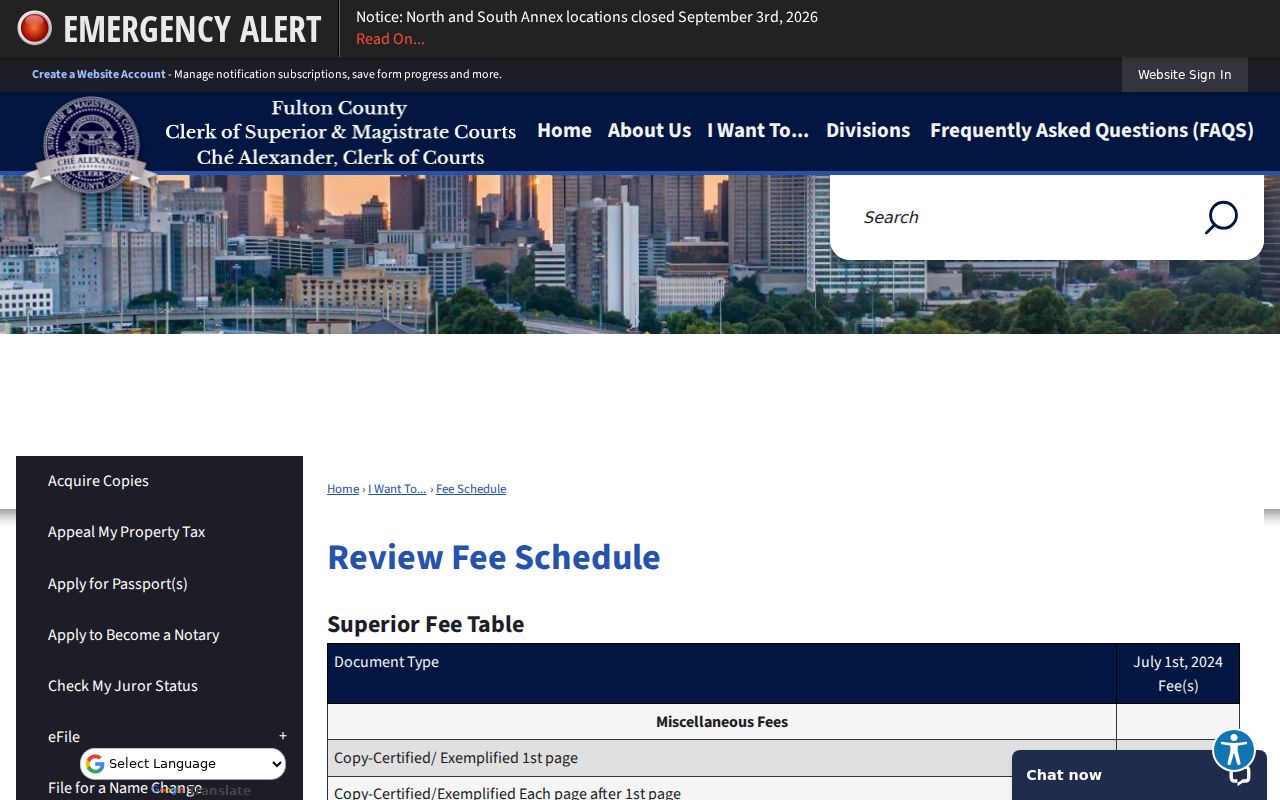
The schedule separates finding an index entry from buying a document. Ask the custodian whether a formal use requires a certified copy.
Bridge South Fulton Place Names
South Fulton incorporated in 2017 from much of the remaining unincorporated southwest county. An older record may instead say Atlanta, College Park, Fairburn, Fulton County, Sandtown, Red Oak, Cliftondale, Campbellton, Ben Hill, or Cedar Grove. No authoritative citywide street-renumbering year is published. Do not assume one mass change ever happened.
Bridge each era with the parcel ID, land lot, legal description, and subdivision. Those keys outlast any city-name text. They also matter when the owner mailing address differs from the situs address.
Use three geographic labels at every step. These are the USPS mailing city, the government jurisdiction for that date, and the older community or land description. A present address may read Atlanta, College Park, or Fairburn. Yet the parcel lies inside South Fulton. The 30336 edge is a special trap. Fulton Industrial was excluded when the city formed. Turn on the City Limits and Tax Parcels layers before sending a permit request. For a rural Campbellton-area tract, the deed and plat are far more stable keys. They outlast any modern road or ZIP code directory label.
South Fulton’s 2017 Custodian Split
Custody of records in South Fulton changed in 2017. A permit, zoning case, police report, or service request from 2016 likely sits with Fulton County. The same file from 2018 likely belongs to the city. Deeds, assessments, probate, and trial-court records stayed on county shelves.
The city takes record requests in person, by phone, mail, email, or online. Each request must name an existing record. Georgia's Open Records Act sets the usual clock at three business days for a response. That response may be production, an exemption, or a timetable with cost estimate.
Ask narrowly. Tie the request to the address, a date range, and the parcel ID. Name a class like a permit application, inspection, certificate of occupancy, zoning case, variance, or code file. A permit can list owner, applicant, contractor, work description, issue date, and value. None of those roles proves occupancy. Work from before May 2017 belongs with Fulton County, so repeat the request there instead of assuming the new city inherited every file.
Keep each response with its custodian and creation date. A city permit, a county deed, a library directory, and a census schedule answer different questions. Their agreement beats any single name match.
Match South Fulton Past Households
An address holds more than its current owners. Reverse directories let you trace who lived at a Haines address in earlier decades. Coverage runs from 1946 to 2016-2017. Atlanta city directories reach back to 1859/60. They end in 1991, and suburban volumes fill the years 1953 through 1986. For the full entry codes and collection details, see the South Fulton city directory.
- Choose a directory year close to the deed transfer or event.
- Search by name in an alphabetical volume or by address in Haines.
- Check adjacent editions to bracket when the household arrived or left.
- Pair the directory with a released census schedule, now available through 1950.
- Compare names, relationships, ages, work, and exact address before joining records.
Census schedules add relationships, ages, and birthplaces. These are details directories lack. The National Archives census portal explains the 72-year release rule. Annual street directory volumes fill the gaps between enumerations. A missing listing often reflects rural coverage rather than the family's absence.
Lawful use. South Fulton address history supports genealogy, estate work, and personal property research. Never use a record trail to stalk, harass, or harm a living person.
Follow South Fulton Heirs
A deceased owner can stay in the deed chain after death. The transfer may come through an executor's deed, administrator's deed, or year's-support order. Search the estate in Fulton County Probate Court. Then turn to obituaries for relatives, funeral details, and cemeteries. Probate petitions and estate deeds can tie an owner to heirs. This often works when no normal sale does.
Vital-record access varies by type. Georgia death records are public as plain-paper copies. Social Security numbers are redacted on those. Certified copies require family or tangible interest. State birth and death holdings start in January 1919. Review Georgia birth and death ordering rules before applying.
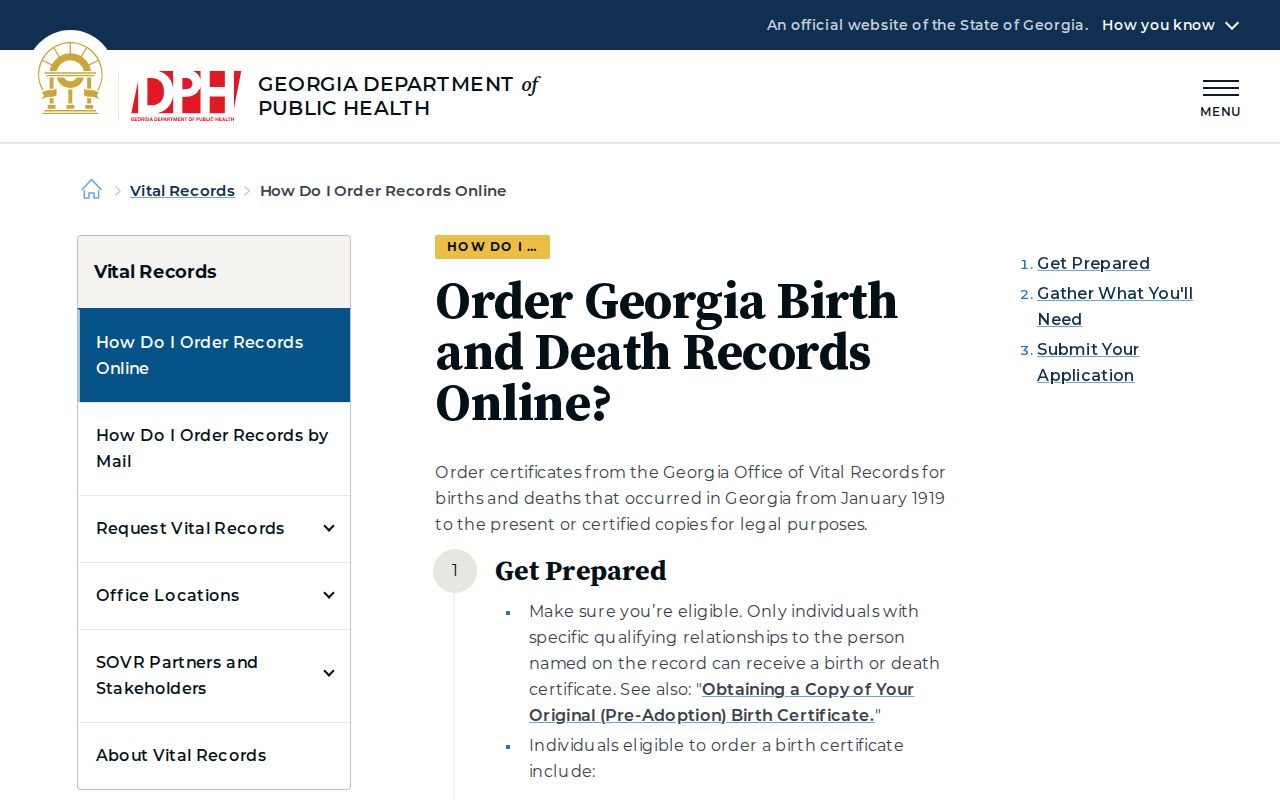
The state instructions spell out eligibility, required facts, and order channels, keeping a prior-owner trail within records an applicant can actually obtain. Check Georgia's current vital-record fee rules before sending payment.
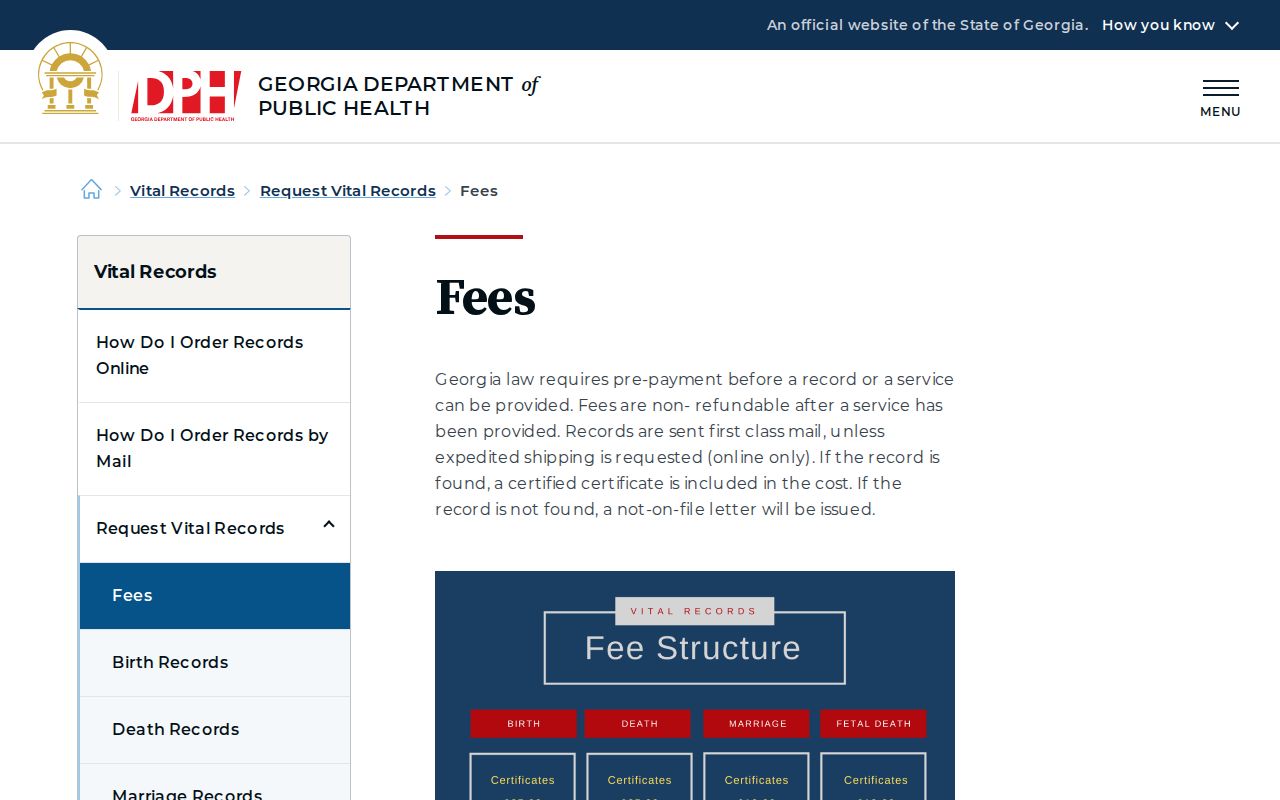
Note: The state fee page lists payment rules that differ by request channel and can change over time.
South Fulton Marriage Clues
A spouse name can bridge directory entries across a surname change. Georgia's state marriage application and certificate coverage runs from June 1952 through August 1996. Statewide verification covers events from January 1, 2014. Other years go to the probate court that issued the license. Check Georgia marriage-record coverage and requests.
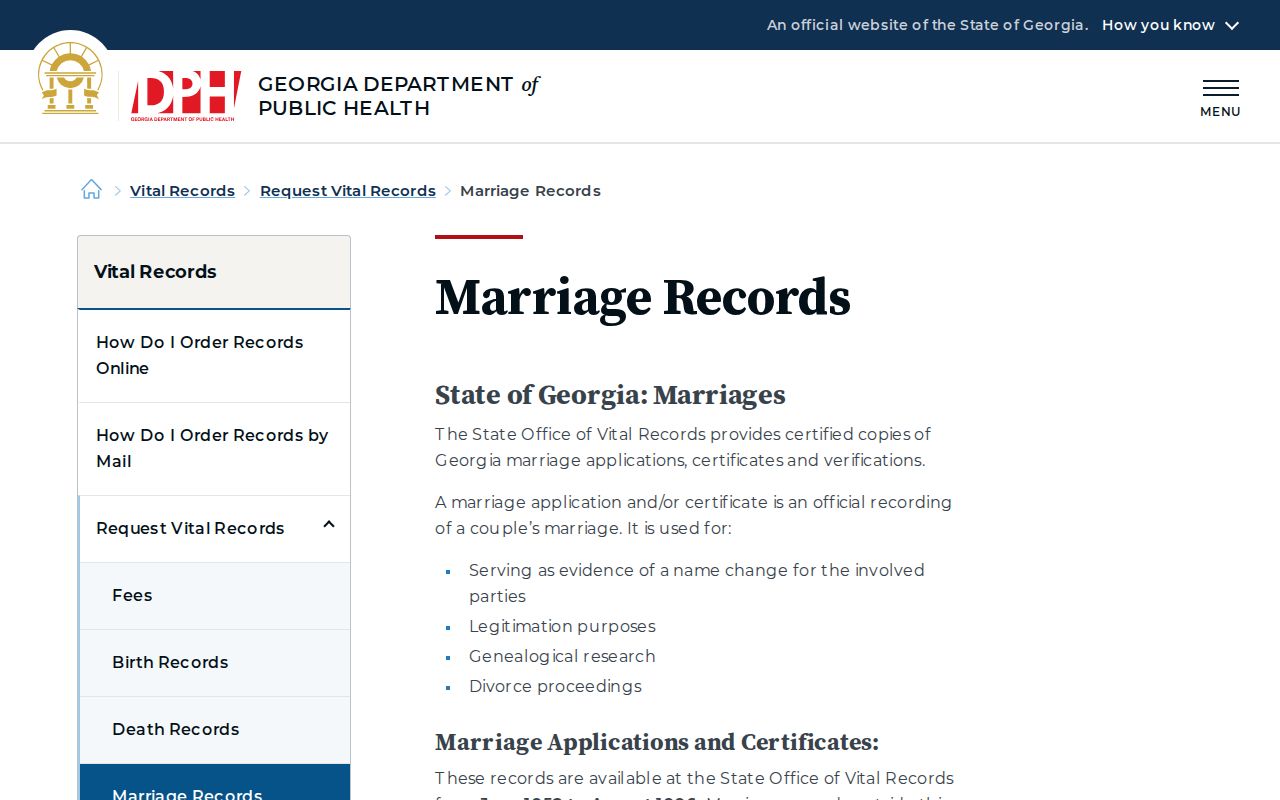
Note: The official page routes requests to the state or the issuing probate court, since no single statewide index covers every year.
Map Historic South Fulton Communities
Sanborn maps chart named built-up places, not a city formed in 2017. Search the Library of Congress Sanborn collection under an older community or Atlanta-area heading. Then confirm the address falls within the sheet. A missing sheet does not mean a missing building.
The Central Library's directories, maps, newspapers, microform, and vertical files form the practical house-history service. For older Campbellton-area land, deeds, plats, agricultural census, churches, and cemeteries may serve better. Email Special Collections in advance.